The Master Architect Model
Centuries ago, architects were responsible for the entire process of building creation.They involved themselves not only in the design of the building, but also the design of the interior components. In some cases, this included everything from furniture to lighting fixtures and custom flooring design.
How the Master Architect model still makes sense today. Read more
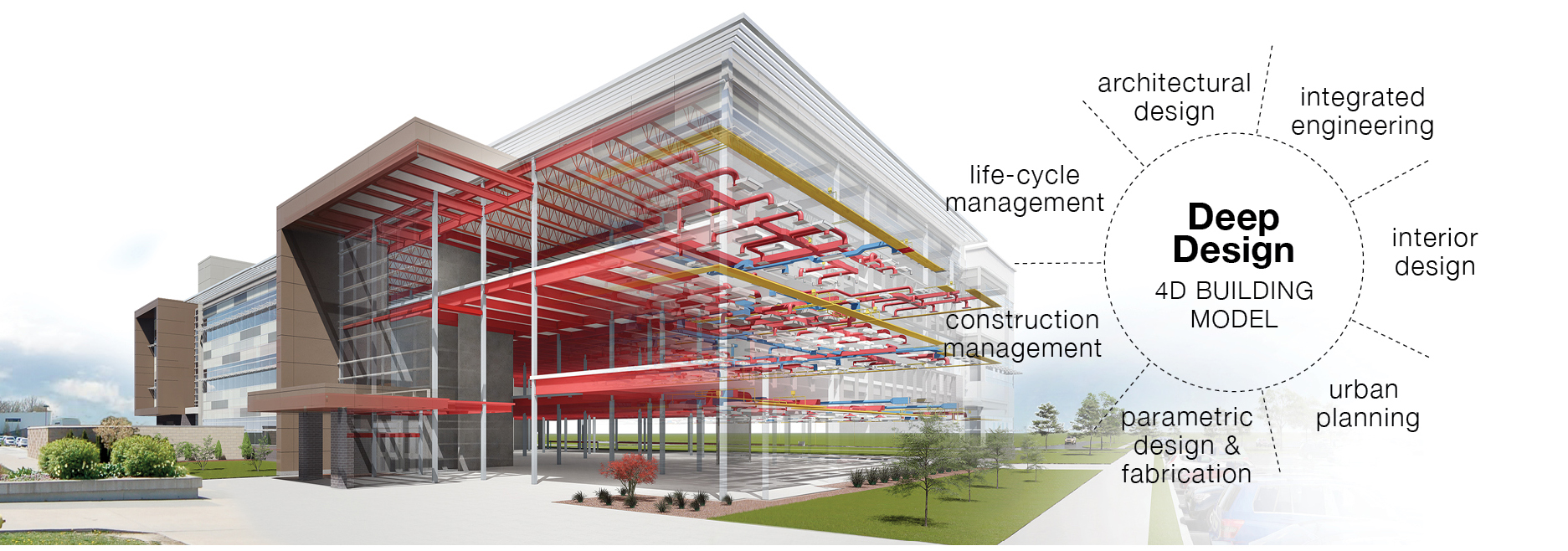
The Master Architect model made sense then and it makes sense today, especially with the advent of advanced digital modeling software.Today, Architecttura is able to digitally create virtual buildings in unprecedented detail – so detailed that we are able to precisely estimate material needs, standard labour costs, millwork and much more. Our ability to forecast major cost items allows us to negotiate and manage project costs within much tighter budgets.
By overseeing every aspect of design and construction, we ensure that the finished building faithfully reflects the original design intent, is built in a more streamlined way, and ultimately saves you money.
How managing construction ensures a better build. Read more
As your architects, we understand exactly what you expect from your building. We know why certain design decisions were made. We know what’s important to you. That makes us uniquely qualified to guide the construction process – to make absolutely sure that the final product remains true to your goals and your vision.
It also helps to have a single, intimately informed source of authority for all construction decisions. A one-stop-shop saves time, money and reduces conflicts. It reduces the stress inherent in any building project and gives you peace of mind, knowing that your project is being managed by the people who know it best.
How parametrics open new doors of creative opportunity. Read more
Architecttura’s sister organization, Parattura, specializes in custom fabrication of parametric building components and systems. This close relationship allows our designers to create radically new, paradigm-shifting components that are optimized for efficient implementation.
The Seven Disciplines of
Our Master Architect Model
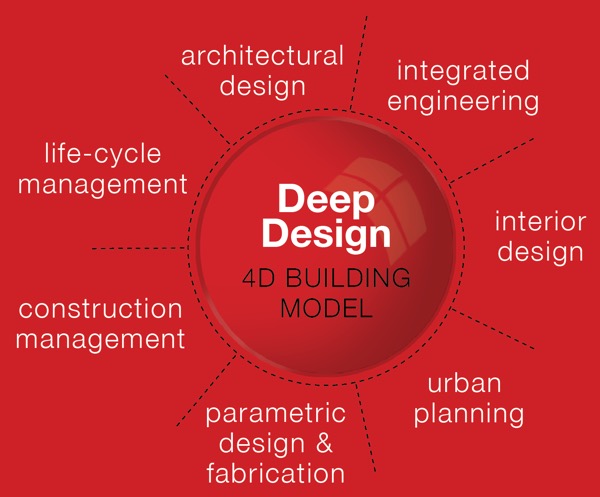
As Master Architects, Architecttura offers expertise in seven key disciplines that, together, span the entire scope and life cycle of your project. It’s all built upon the unprecedented detail of our DeepDesign 4D modelling. Using advanced technology in game-changing ways is how we build intelligence into everything we do.